
Sormi
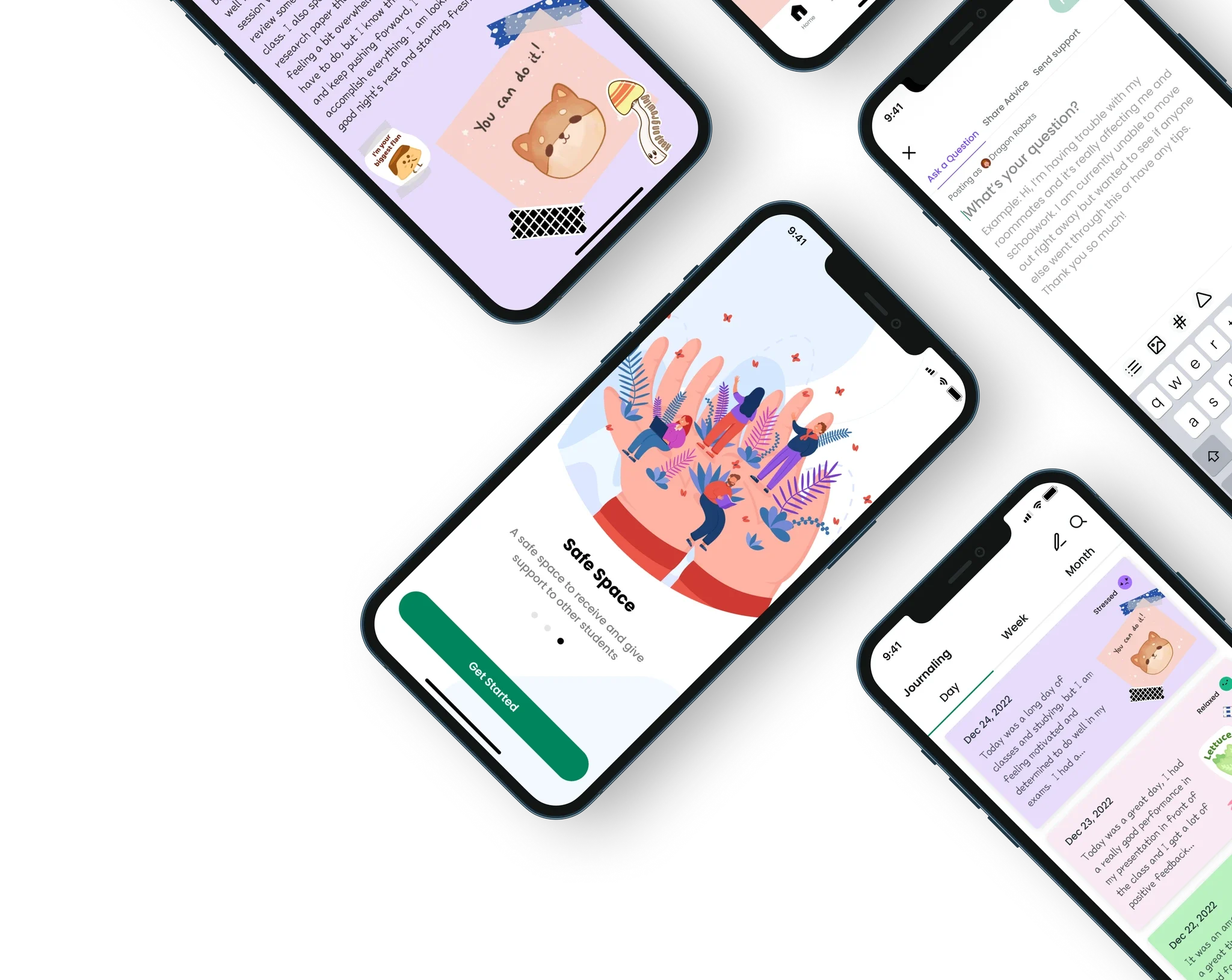
Anonymous chat forum for students to receive and give support to other students.
Overview
SORMI is a mobile for students, with a mission to shift mental health management from reactive to proactive.
Role & Impact
As the Lead UX/UI Designer, I partnered with a cross-functional team of PMs and engineers to deliver two E2E designs from concept to TestFlight.
We won 2nd place at Rotman Commerce’s “Launch Your Big Idea” competition and secured 5k seed funding for further development.
I conducted research with UofT students to uncover key pain points in mental health management.
Top 5 Insights
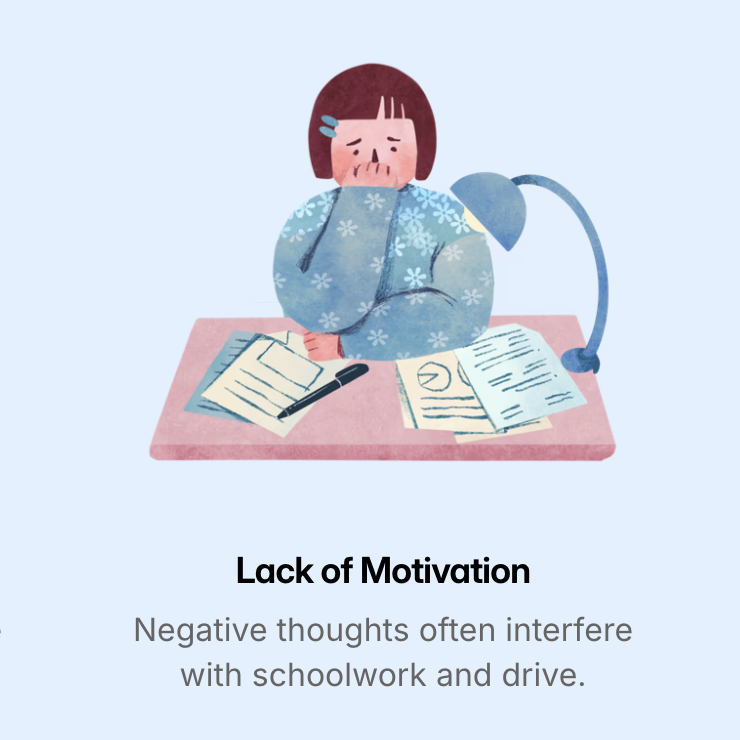
Students struggled with motivation.
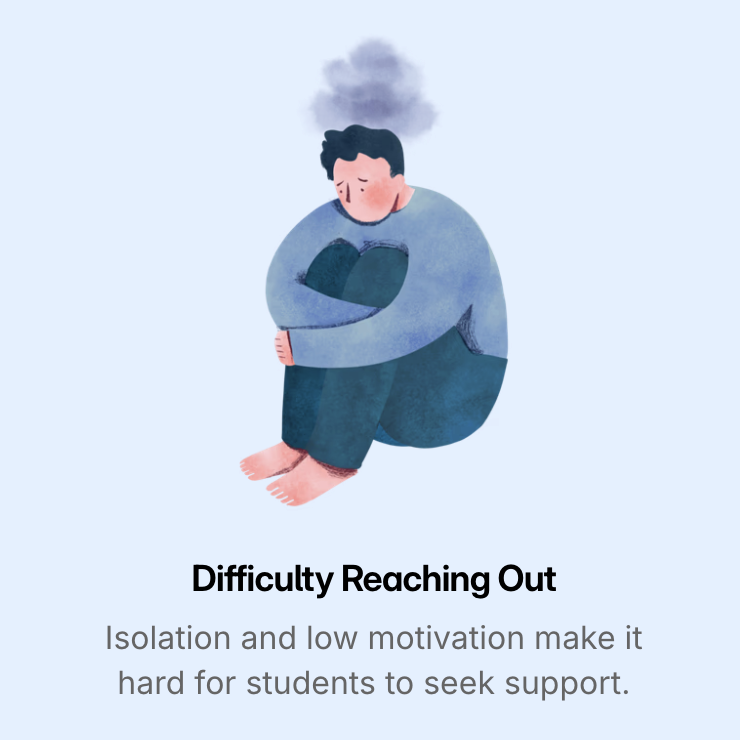
Coped alone rather than seeking professional help.
Not all students have access to a strong support system.
Early signs of mental health decline often go unnoticed.
Journaling is known to work, but feels like a chore.
Methods Used
Survey with 46 students [Link to Survey]
Affinity Mapping [Link to Map]
Personas [Link to Personas]
Storyboarding/Day-in-the-Life [Link to Storyboard]
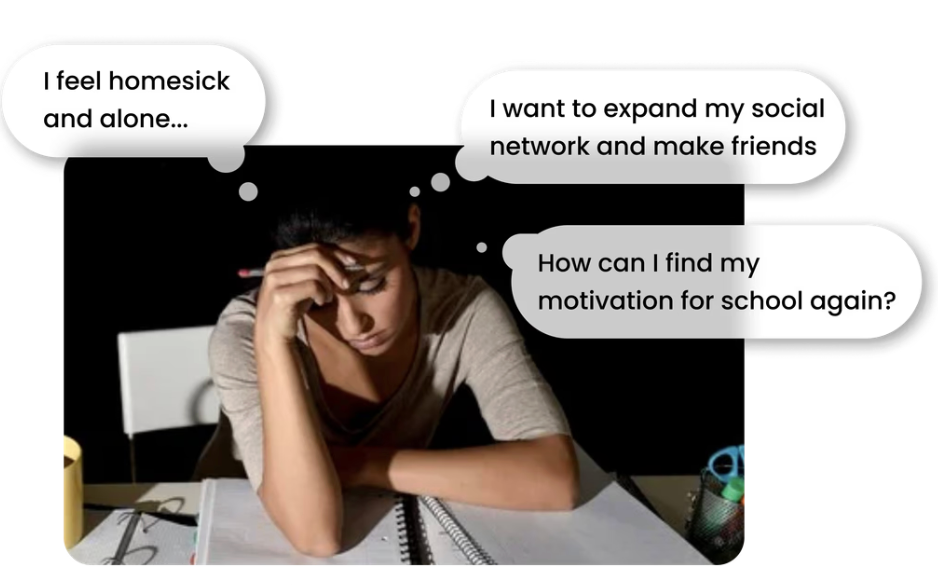
The problem
“How might we help UofT students who are struggling with mental health issues so they can improve their well-being?”

Define User's Problems


Setting Design Principles
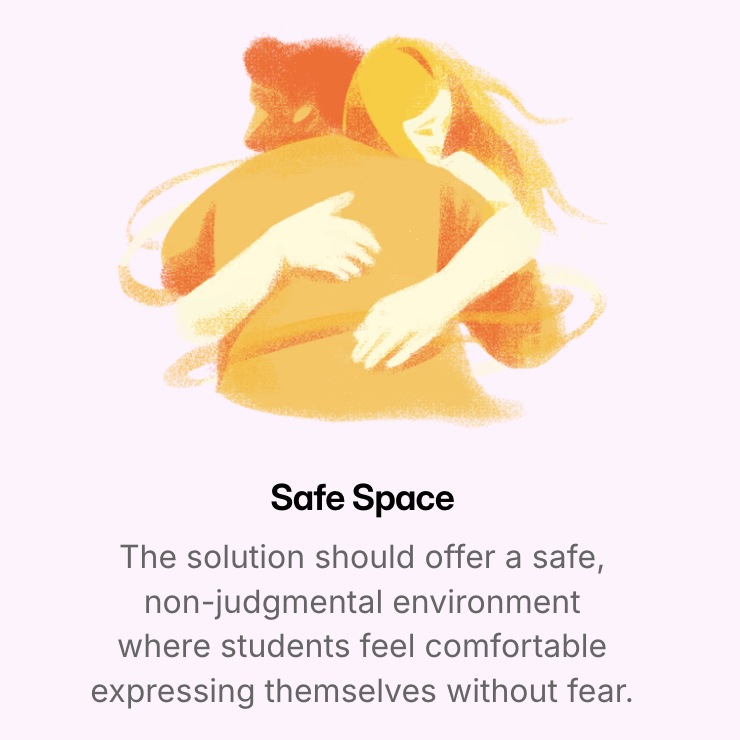
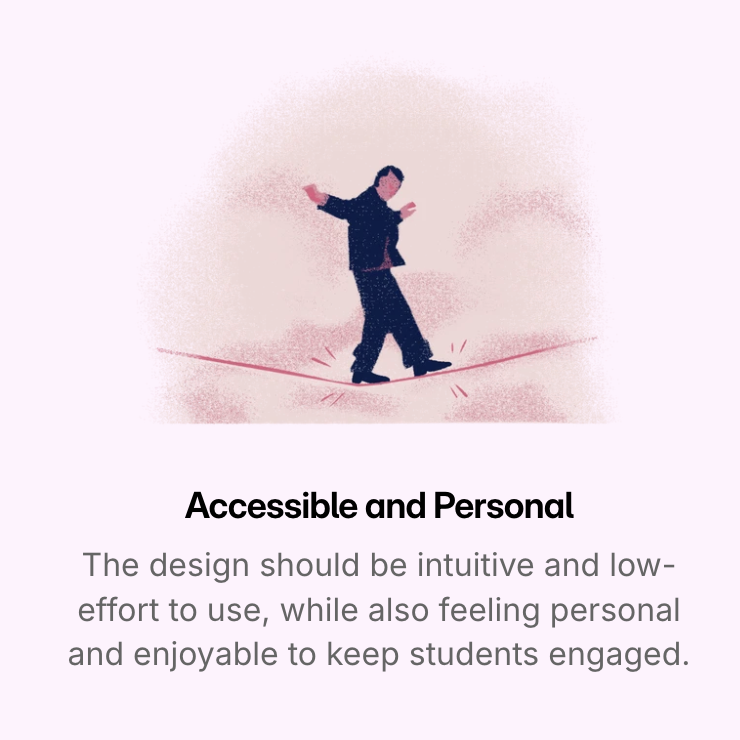
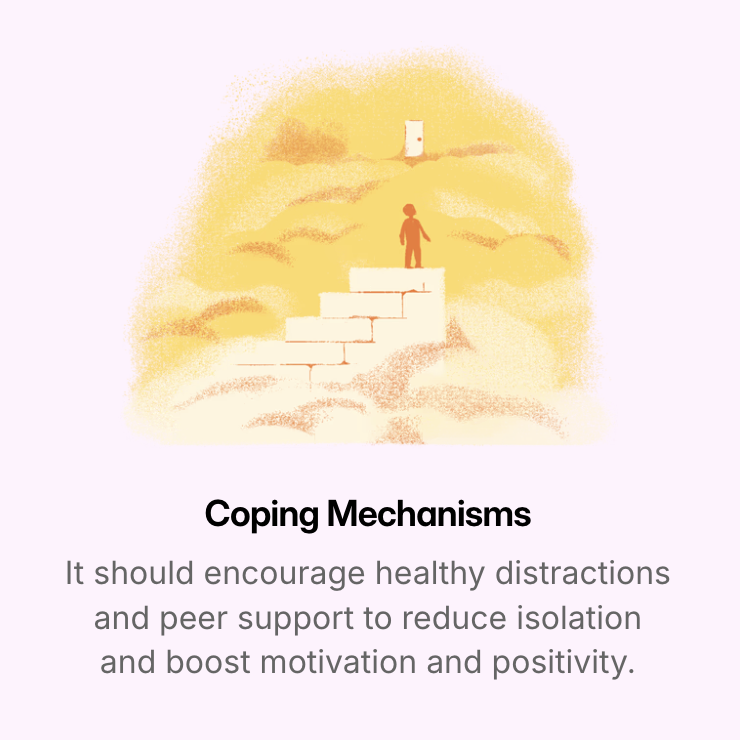
As a college student, I want to
manage my mental health through effective self-care
so that
I can stay motivated and focused on my studies.
Jobs to be Done Framework
Key Outcomes
Healthier coping strategies
Reduced stress
Improved motivation and work ethic
Prototype
✨ THE END-TO-END EXPERIENCE ✨
✏️ CONCEPT TEST FINDINGS & ITERATIONS
ITERATIONS FROM MVP
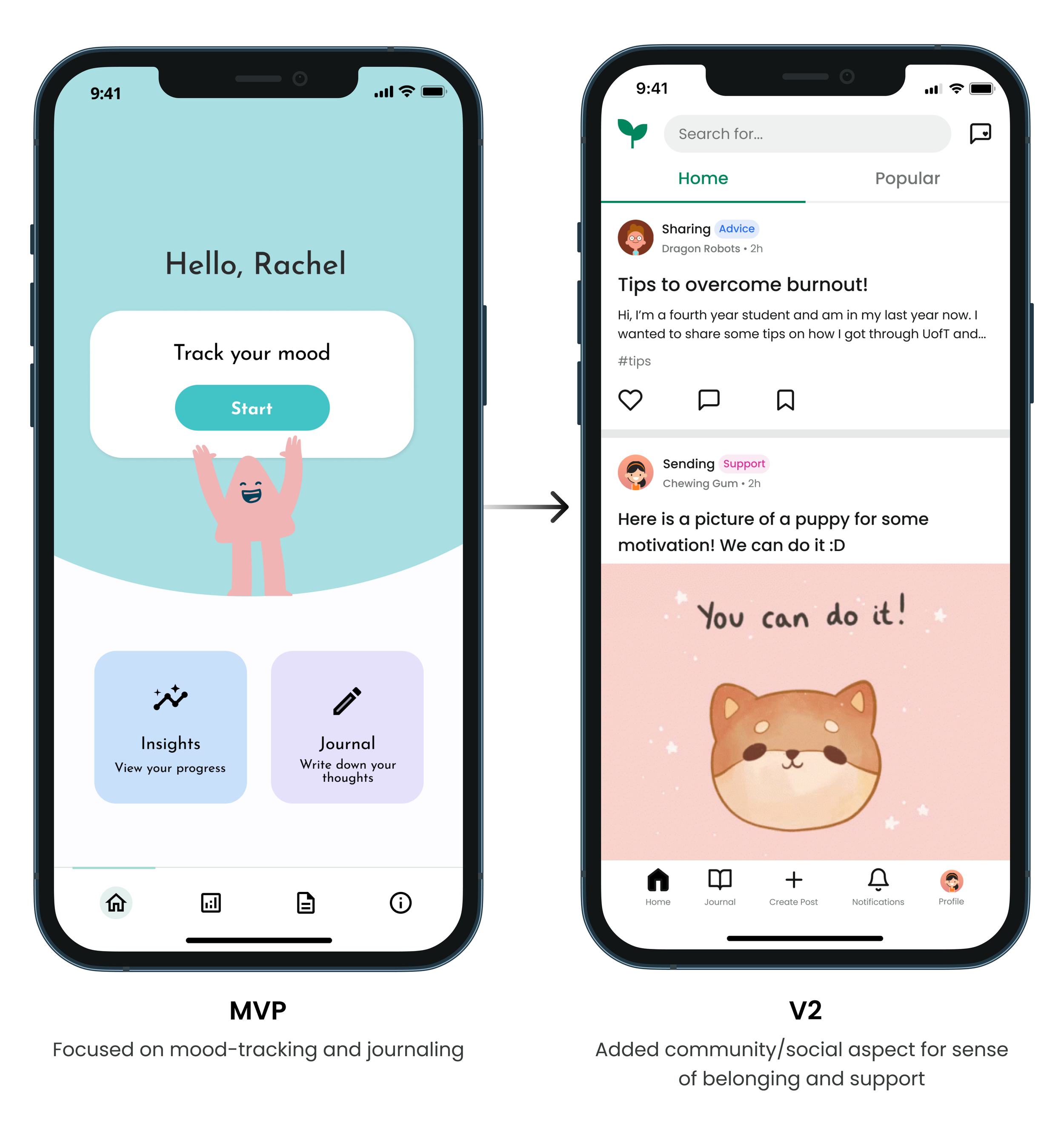
Home MVP
Our MVP only included a mood-tracking and journalling feature
What Landed:
Users valued seeing their mood history and the promise of long-term progress charts.
What Didn’t:
Participants struggled to see the immediate benefit of tracking alone, viewing manual entry as a high-effort chore.
The Pivot: From Tracking to Connection
Research showed that students crave community over data. I led the transition from a tracking utility to an anonymous chatting forum to prioritize social support.
Reduces loneliness and isolation
Encourages emotional sharing
Increases motivation to download and engage with the app
ITERATIONS FROM MVP
Crafting Your Journal
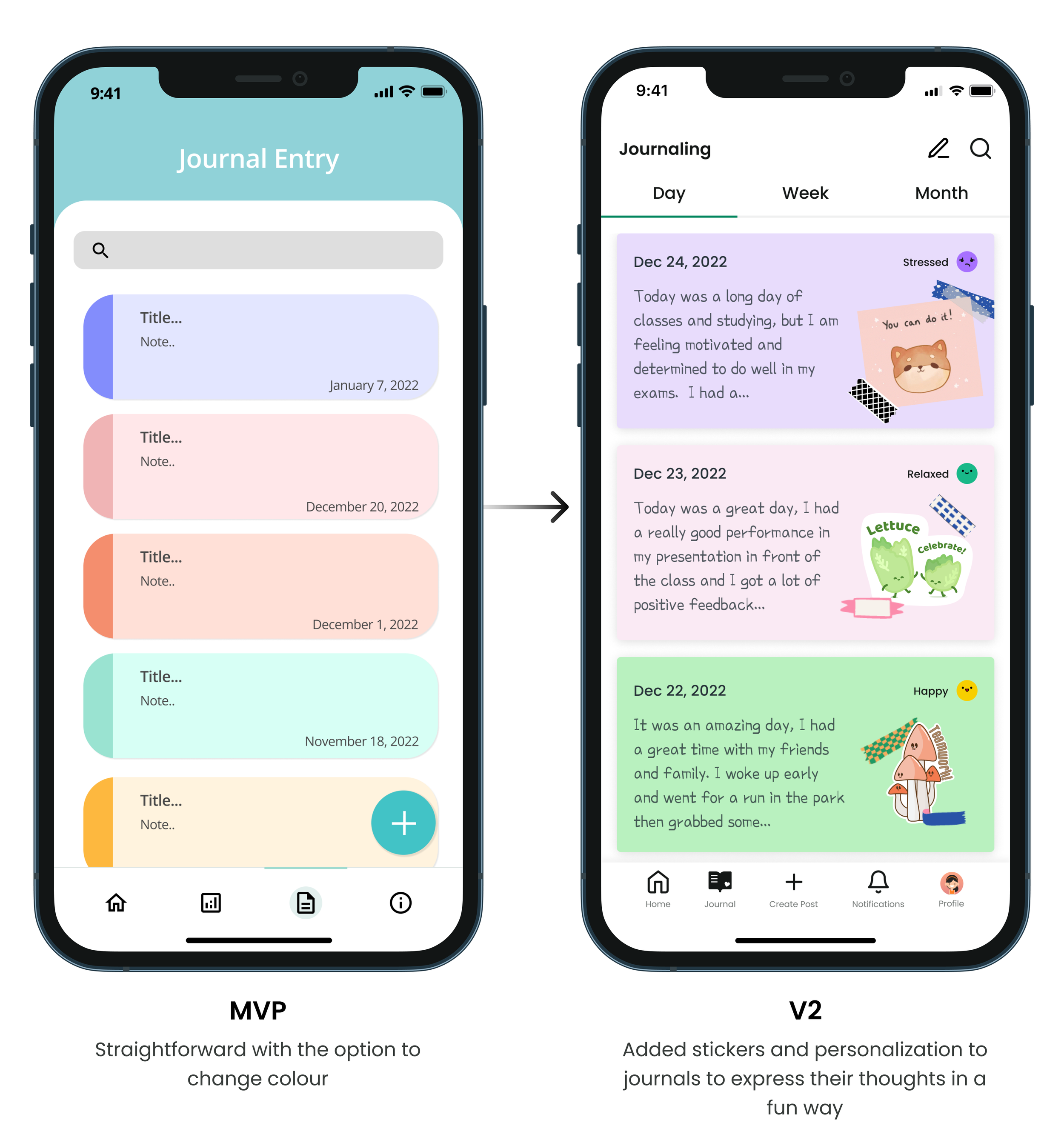
Our MVP version of the journal had a note-taking feature
What landed:
Participants liked that they could journal within the app
All participants liked that you can change the colour of the note
What didn’t:
Many participants wished that the journals were more personalizable.
“I like the feeling of scrapbooking, not writing a document.”
Added features such as stickers, pictures and weather. I also combined the mood-tracking feature into a sticker where they could choose what mood they felt.
Journalling became more fun!
Could add their mood while expressing their thoughts.
ITERATIONS FROM MVP
Composing Posts
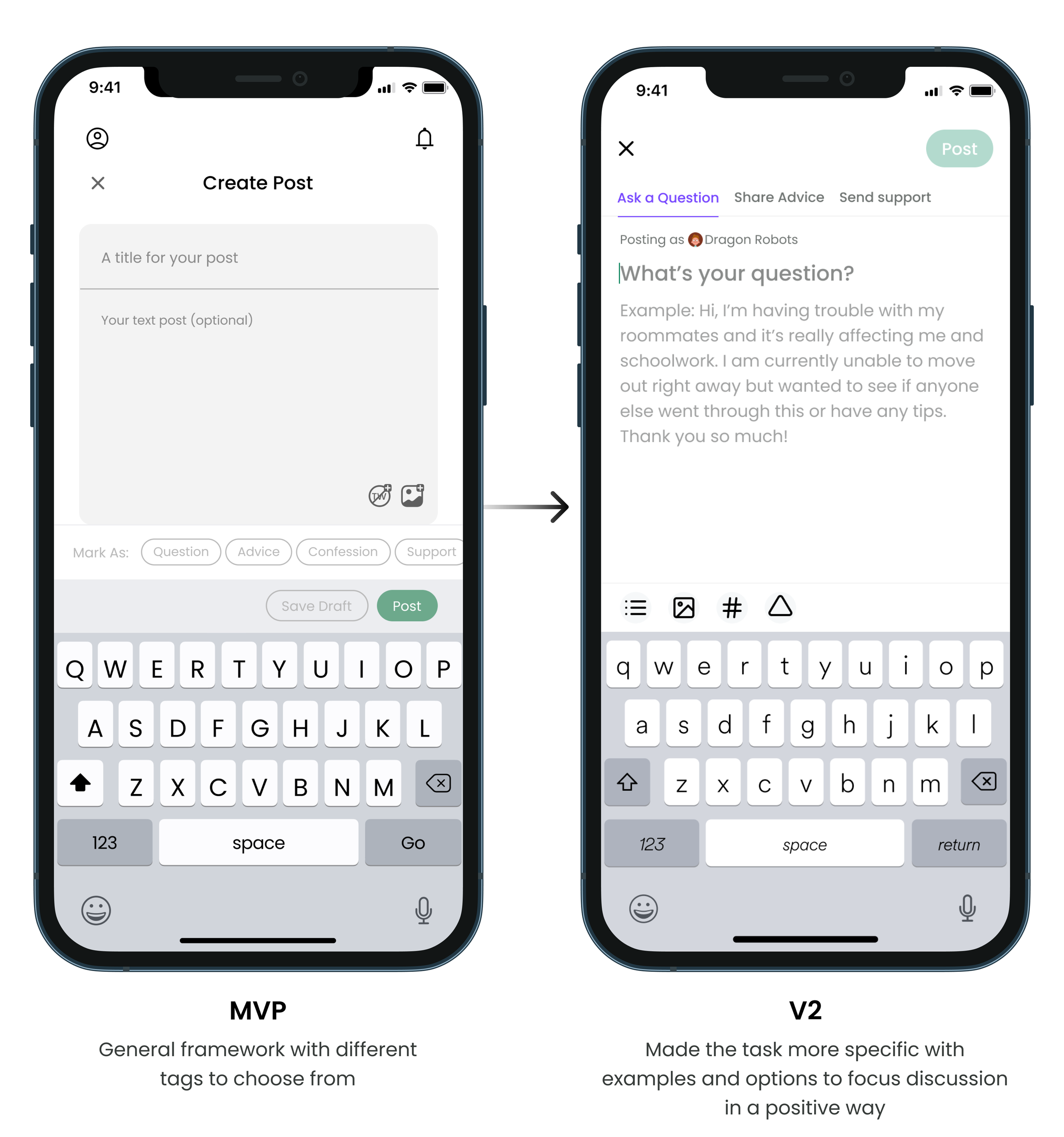
Original concept for creating post (V1):
What landed:
Clear framework on title and text
Tag and images options
What didn’t:
Too general - the forum could become a toxic environment instead.
Design decision:
Make the options more specific to avoid random posts.
Add examples to let users know what kind of content should be posted on the app.
Since we added a social aspect and we are dealing with a sensitive topic, there are some risks we considered.
Risks and Mitigations
Toxic Content
Risk: The forum becoming a space for "cancel culture" or public shaming.
Mitigation: A moderation bot flags name-dropping and harmful language in real-time.
Sensitive Material
Risk: Exposure to traumatic posts impacting other users' well-being.
Mitigation: Content-scanning bots automatically apply trigger warnings if users omit them.
User Vulnerability
Risk: Vulnerable users being targeted or manipulated over time.
Mitigation: Usernames reset monthly to preserve true anonymity and prevent long-term tracking.
Key Takeaways and Reflections
Don’t Design with Answers
Gathering user insights first allows for more accurate, user-driven outcomes.
Principles as a Compass
Establishing core design principles early kept the team aligned.
Prototype Early, Fail Fast
Accelerated feedback loops caught misalignments before wasting effort.